How to Build a Worship Team From Scratch: A Step-by-Step Guide
A calm, start-from-nothing roadmap for planting or rebuilding a worship team. Cast a clear picture, fill one seat well, recruit from your own pews, and run first rehearsals people come back to.
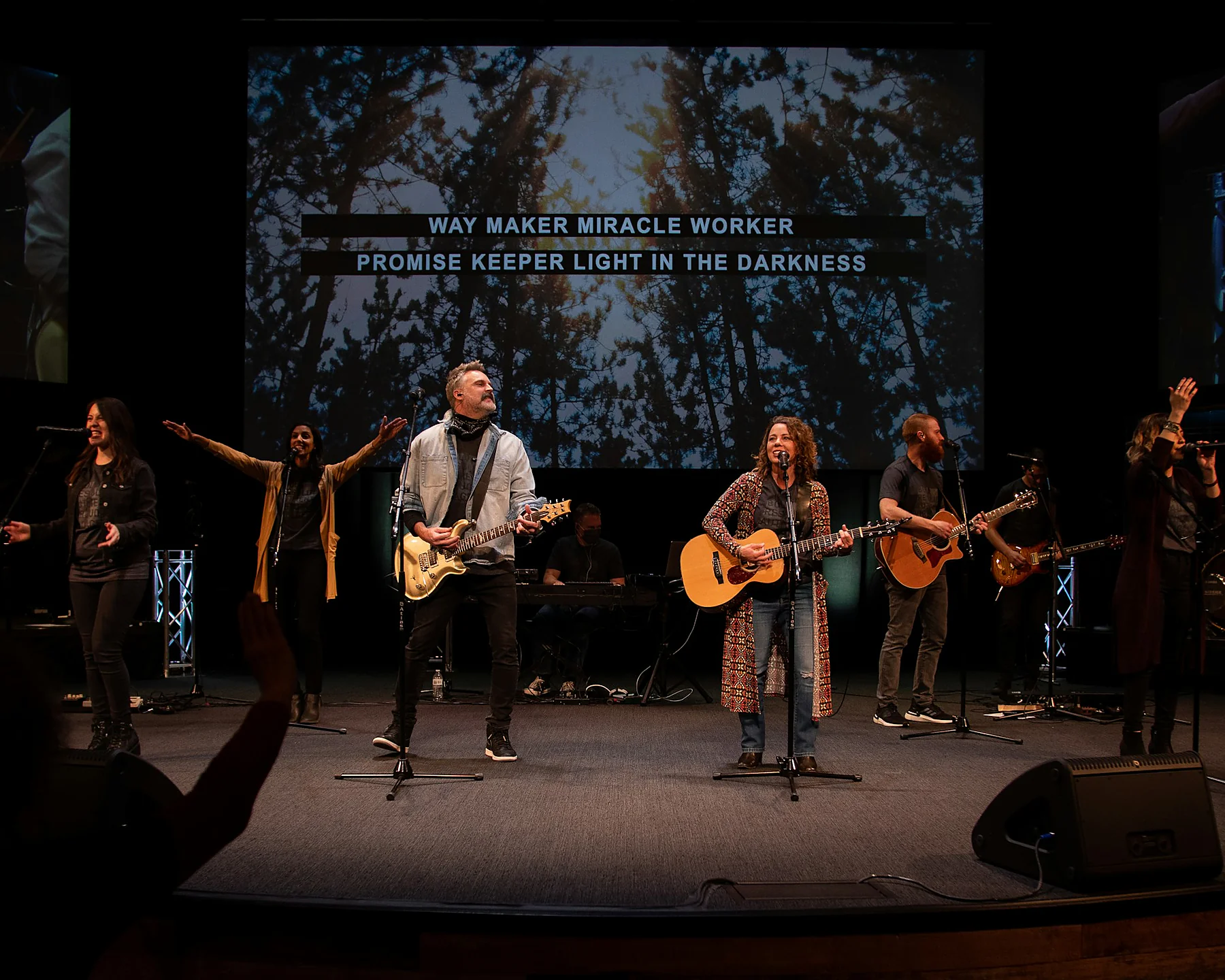
You have the calling and an empty stage. Maybe one faithful guitar player, a keyboard nobody has switched on in months, and a Sunday that keeps coming whether you feel ready or not.
Building a team from nothing is hard. It is also one of the most rewarding things you will ever do in ministry, because you are not just filling seats. You are raising up people. Here is the order we would build in if we were starting over from zero.
Start with a clear picture of the win
The temptation is to open with a recruiting push. Resist it for a week. A team gathered before you know where you are going tends to scatter the first time things get hard.
Get quiet and pray first. Then write down, in plain words, what you want Sundays to feel like 12 months from now and why. Three sentences is enough. That short picture becomes the thing you recruit to, the standard you hold, and the reason a tired volunteer keeps showing up.
An empty schedule inspires no one. Musicians commit to a picture of something worth being part of.
Take it to your pastor before you take it to anyone else. When the person who preaches and the person who leads music are pulling the same direction, everything downstream gets easier.
Fill one seat well before you fill five
New leaders often try to assemble a full band in a month. It almost never works, and the scramble burns goodwill you will want later.
Start with one instrument and a voice. A single acoustic guitar or a piano, played by someone who can hold a melody and lead a room, will carry your church beautifully. Two people leading well beats a 5-piece that cannot hear each other.
Once that core is steady for a few weeks, add the seat that helps the most. In most rooms that is a second vocalist for harmony, or a player who can hold time. Grow the sound one dependable person at a time.
While you are still thin, a set of backing tracks or a simple pad running underneath can fill the gaps a full band would cover. Used with restraint, tracks buy you time to find real players without leaving Sundays feeling empty. Lean on them as a bridge, never as the destination, because a room can always tell the difference between people and a playback.
Recruit from your own pews first
The players you need are usually already sitting in your congregation. Recruiting them is not begging for warm bodies. It is discipleship. You are inviting someone into a place where their gift and their walk grow together.
Look for 3 things before you make the ask:
- Skill you can build on. They do not need to be polished. Teachable and willing to practice at home beats naturally gifted and unreliable every time.
- Faithfulness you have already seen. Someone who serves in other corners of the church will show up here too.
- A heart for the room. You want players who came to help the church meet with God, not to be seen.
When you make the ask, be specific and be honest. Vague invitations get vague answers. Try something close to this: "I have watched you sing in the third row for a year, and I think God has given you something this church needs. Would you come try out for the vocal team? It is one rehearsal a week and 2 Sundays a month to start." A real ask, with a real commitment attached, respects a person enough to earn a real yes.
Run first rehearsals people come back to
Your earliest rehearsals set the culture for years. When they run long, feel disorganized, or turn into a lecture, your new volunteers quietly decide this is not for them.
Keep the first ones short and win early. 90 minutes is plenty. Pick 2 songs everyone can actually play, in keys your congregation can actually sing. Send the chord charts and a reference playlist 3 days ahead, and ask everyone to come knowing their parts so you can spend the time locking in together.
Build in one moment of real worship at every rehearsal, even if it is one song with the lights down and no talking. Your team needs to meet with God in the room before they ask the congregation to. That habit, more than any drill, is what keeps a team coming back.
Then close on time. A leader who respects the clock is a leader your musicians trust with their weeknights.
A realistic first 90 days
You do not need a five-year plan to start. You need the next 90 days.
Weeks 1 and 2. Pray, write your picture, and get your pastor on board. Do not recruit yet. Lead worship yourself, or with one trusted player, so the church sees that Sundays stay steady while you build behind the scenes.
Weeks 3 through 6. Make your first 2 or 3 asks, in person, one at a time. Start a single 90-minute rehearsal each week, even if only 2 people show up. Keep the rotation short, maybe 6 to 8 songs, so everyone grows comfortable instead of always learning something new.
Weeks 7 through 12. Add your next seat once the core feels solid. Begin a simple rotation so no one carries every single Sunday. Write down who plays what and in which keys, so you are never rebuilding the plan from memory on a Thursday night.
By day 90 the goal is not a polished band. The goal is a small team that trusts each other, knows a handful of songs cold, and shows up glad to serve. That foundation outlasts talent you cannot keep.
Know when to bring in help
There is no medal for doing this entirely alone, and going solo is how many gifted leaders end up carrying a team that never quite gets off the ground.
Two kinds of outside help change the math. The first is a paid anchor player, usually a drummer or bass player, who gives your volunteers a solid pocket to lock into and pulls everyone's playing up. The second is coaching, so you are not guessing your way through recruiting, rehearsal, and the hard conversations that come with leading people.
If you would rather build this with a guide who has done it at scale, our worship coaching and team development work exists for exactly this season. When you hit a seat you simply cannot fill from the pews, a vetted player from our network can anchor the team while your own people grow into it.
Build slowly. Build people, not just a band. The team you raise up this way will outlast anything you could throw together in a hurry, and it will carry your church long after the first hard season passes. When you are ready to protect it, our guide to beating worship team burnout is the natural next read.
Common questions
How many musicians do I actually need to start?
How long does it take to build a worship team?
Should I pay musicians while I am still building?
Building your team, one seat at a time?
You do not have to figure out recruiting, first rehearsals, and the hard conversations alone. Our coaching walks with worship leaders through exactly this season.