Where to Find Worship Musicians for Your Church (7 Real Options Compared)
Seven real places to look for a worship musician, with the cost, the catch, and the right moment named plainly for each, so you can fill the seat and get back to leading.
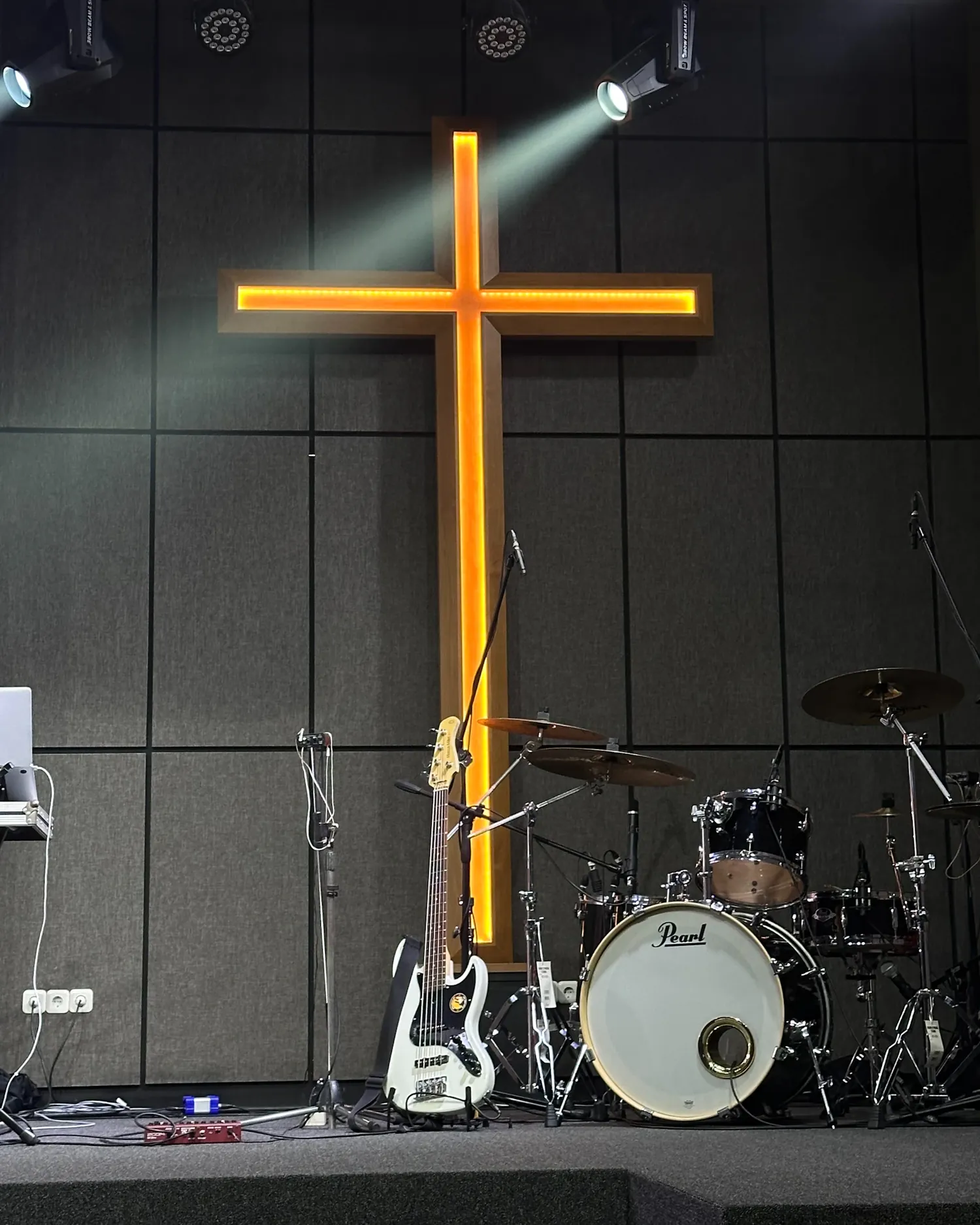
You know which seat is empty. The bass has been missing since spring, the keys player moved away in July, and most weeks you cover the gap yourself and hope the room does not notice. What you cannot figure out is where the person who fills it actually is.
Worship musicians hide in more places than most leaders realize, and each source carries a real cost, a real catch, and a moment when it earns the call. Here are 7 options with the tradeoffs named plainly, so you can pick the path that fits the seat in front of you.
1. The people already in your pews
The cheapest and often best musician you will find is already sitting in your church. Someone plays piano at home. A college kid drums for a band on weekends. A quiet woman led worship in a past season and never got asked again. Look here, every time, before you look anywhere else.
The cost is mostly your attention and your patience. You have to watch for these folks, invite them, and be willing to train what is still raw. The catch runs the other way. Your own pool stays small and slow to surface, and the player you need this month may simply not sit in the building yet. This path never finishes, and it still works first. The strongest teams grow mostly from the folks who were there all along.
2. Referrals from worship leaders you trust
The quickest shortcut to a good player is a text to the leaders you already know. Good musicians get passed between the people who have worked with them, so one solid recommendation can save you hours of guessing. A leader across town might hand you a name that would have taken you a month to find on your own.
This path lives or dies on the size of your circle. If you know a handful of worship leaders in your area, lean on them. The limits bite, though. The best players usually serve somewhere already, a borrowed musician may only free up for a Sunday or two, and a paid referral still comes with a per-service fee. Build these relationships before you need them, the same way you would want another leader to have them before they ever call you.
3. A church job board or online listing
When the opening is a defined, paid, ongoing role, a job board puts it in front of people who are actively looking. Denominational boards, worship-specific sites, and local ministry networks all run listings, and many of them are free or close to it.
The tradeoff is time and filtering. You will read applications from people who oversell, and every step of the vetting lands on you. A listing rarely solves a this-Sunday problem, since the process takes weeks to run well. Use it when you have a clear role, a budget to pay for it, and the runway to hire slowly and carefully. Our complete guide to hiring worship musicians walks through how to vet, pay, and set clear expectations once the applications start coming in.
4. Music schools and colleges
A nearby music school is full of skilled young players who want the stage time and the income. The talent can run genuinely high, and student rates are often gentle on a church budget. For a church near a college, it runs deep.
The real question is spiritual fit, and it weighs heavy. A gifted player who treats Sunday as a gig will tilt the room toward performance without meaning to. Expect turnover, since students graduate and move on. This path fits a church with strong leadership to disciple a young player and a budget to pay them fairly for steady work. Bring them into the heart of what you do, not only the set list.
5. Social media and musician groups
Facebook groups, local musician pages, and worship-team forums give you enormous reach for the price of a single post. For a hard-to-find instrument, the size of the pool is the whole appeal. Someone out there plays exactly what you need.
That size is also the problem. One post can bring a flood of replies and leave you with no idea which of them can hold time in a live room. Great over text does not mean great on a platform in front of your people, and an online stranger arrives with no vetting and no one to vouch for them. If you go this route, run every candidate through a real process before they ever stand up front. Hear them play live, talk through their faith, and check references and background without skipping a step.
6. Tracks and multitracks as a stopgap
When no human is available for a part, technology can cover it. A pad under an acoustic guitar adds the warmth a missing keys player would have brought. A multitrack can hand you a bass line or a full band on the one Sunday you want to go big. It is instant, it never cancels on a Saturday night, and it is the cheapest option on this list. A subscription commonly runs $15 to $30 a month.
A track is not a musician, and that is the catch. Lean on it too hard and the room feels it, because a congregation can tell the difference between a team playing and a team miming over a record. Run the parts nobody notices as tracks, keep the lead vocal and main instrument human and live, and treat the whole thing as a bridge while you grow your own players. It buys you time. It does not replace a player.
7. A vetted placement service
When a spot stays open for months, or a weekend carries more weight than your people can cover, a placement service hands you a player who has already been checked for skill, faith, and character. Instead of filtering a crowd of strangers, you make one call and get a short list of musicians who have cleared the bar. That is the work we do for churches.
It is worth being plain about the cost. You pay the musician for their time and skill, plus the service for the vetting it does on your behalf, so this is not the free option your own congregation is. It also works best alongside the players you are developing, not as a permanent substitute for them. Availability depends on your area and your style. For the right seat, though, it turns a months-long search into a dependable player who is ready to serve and glad to play.
Choosing the path that fits the seat
Most churches end up using several of these at once. You develop your own players for the long haul, borrow a friend's recommendation for a quick gap, and bring in outside help for the one spot that will not fill. You are not hunting for one source that does everything. You are trying to stop losing your weeks to the search, so your attention goes back to leading your people before God.
You were never meant to carry the whole platform alone. Scripture says two are better than one, and that a cord of three strands is not quickly broken. Asking for help, in whatever form fits the moment, has always been part of how healthy ministry gets built.
When the seat in front of you is the hard one, tell us what you need and the church you lead, and we will connect you with a vetted musician who knows the songs and honors your church. If you want to see the process before you reach out, here is how it works.
Common questions
Where do I find a worship substitute at the last minute?
How simple should the set be for a fill-in?
How do I stop these last-minute gaps from happening?
Skip the search for the seat you cannot fill
When you have worked your own list and the hardest seat is still open, tell us what you need and the church you lead. We will connect you with a vetted musician who knows the songs, follows your lead, and honors the heart of your church.