Worship Lighting 101: Setting the Room Without the Rock Show
Lighting that supports worship instead of distracting from it. Light faces first, learn the four jobs light does, build a look per song mood, avoid the rock-show mistakes, and buy a starter rig in the right order.
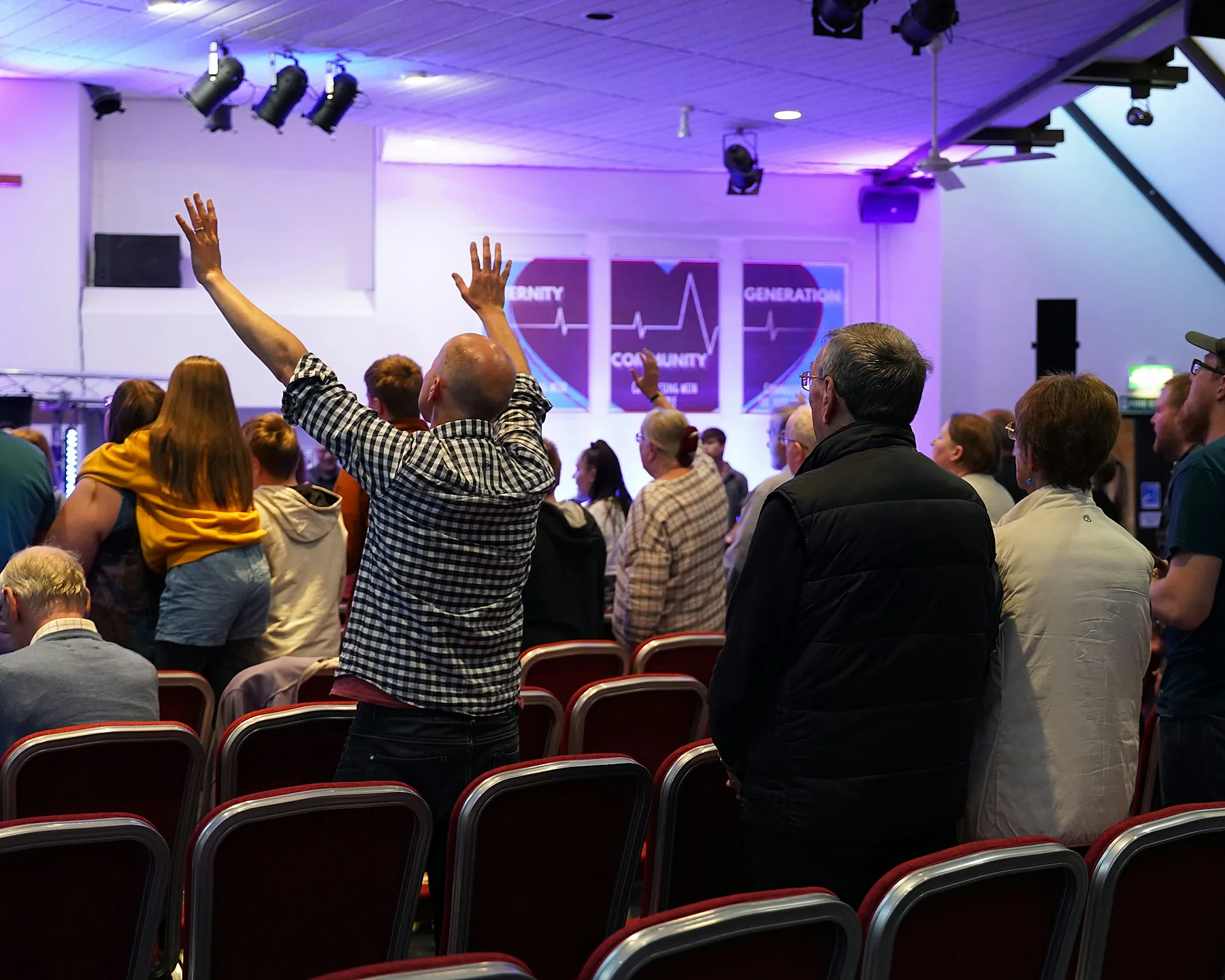
Walk into a lot of church rooms and the lighting lands in one of two ditches. Either the house fluorescents are blazing and the platform feels like a conference room, or the stage is so dark and full of swirling color that you cannot see a single face and it feels like a club. Both miss the point of what light is for on a Sunday.
Good stage lighting does a quiet, powerful job. It draws the eye where it belongs, sets a mood that matches the song, and helps a congregation feel free to worship without ever calling attention to itself. You do not need a huge rig or a lighting degree to get there. You need a few right priorities, and this guide lays them out in order.
Light the faces first
Here is the rule almost every church breaks. Before color, before movement, before anything fun, your first job is to light the faces of the people leading. A congregation connects with people, so if your leaders are lost in shadow, no amount of pretty color behind them makes up for it.
This matters even more if you stream or run cameras. A camera needs more light than the human eye, so a face that looks a little dim in the room can vanish entirely on the screen. Get a clean, warm front light on your platform first, then build everything else around it.
- Aim front light at head height. Light coming from in front and slightly above lights faces evenly, without the harsh shadows of a light straight overhead.
- Keep it warm and flattering. A warm white around 3200K tends to look natural on skin, in the room and on camera alike.
- Check the darkest moment. During your most stripped-back song, walk to the back and make sure you can still clearly see every face. Intimate should never mean invisible.
- Fix the shadows before you add color. If a leader's eyes are lost under a cap or a low hat brim, nudge the front fixture higher or add a second angle. A face people can read is worth more than any color you could throw behind it.
The four jobs light does on your stage
Almost every look you will ever build comes from four kinds of light working together. Learn these and you can create nearly anything.
- Front light. The key light on faces, covered above. This is the non-negotiable one.
- Wash and color. LED par fixtures wash the stage, the walls, or the backdrop with color to set mood. This is where warmth or energy comes from.
- Back light. Light from behind and above the team separates them from the background and adds depth, so the platform looks three-dimensional instead of flat.
- Haze. A thin, even haze in the air makes beams of light visible and gives the room atmosphere. A little goes a long way.
Every light on your stage should answer one question. Does this help people see and worship, or does it just call attention to the rig?
Build a simple look for each mood
Once you have fixtures, the craft is matching light to the moment. You do not need dozens of cues. A handful of solid looks, each tied to a kind of song, will carry a whole service.
- The bright, full look. For your up-tempo, celebratory songs, bring up saturated color, more back light, and energy. This is where the room can feel alive.
- The warm, intimate look. For reflective songs and prayer, pull the color back, dim the wash, and lean on soft warm front light. Keep faces lit while the room settles.
- The neutral, spoken look. For announcements, teaching, and the welcome, a clean, even, mostly white wash keeps things clear and undramatic.
Program these as scenes you can recall with one button, then assign a look to each song when you plan the set. Simple and repeatable beats clever and fragile every week of the year.
Make it easy for whoever runs the lights
The person on the lighting board is usually a volunteer, often the same soul who also covers slides or sound when someone calls in sick. Set them up to succeed by doing the design work ahead of time. When each song has a preassigned scene, running lights on Sunday becomes a matter of pressing the right button at the right moment, not inventing a look on the fly.
- Build the cues during the week. Program your scenes at rehearsal, not during the service, so Sunday is pure execution.
- Write the plan on the set list. A simple note next to each song, like "warm and dim" or "full and bright," tells the operator exactly where to go.
- Fewer changes, better timing. One well-timed shift into the last chorus does more than twenty fidgety adjustments that no one asked for.
Avoid the moves that pull focus
Most lighting mistakes come from doing too much, not too little. A few habits keep your rig serving worship instead of stealing from it.
- Go easy on movement. Constant sweeping from moving heads reads as a concert and distracts from the songs. Park them in a good spot and move them rarely and slowly.
- Never blind the room. Bright fixtures pointed straight into the congregation's eyes are jarring and unkind, especially for older folks. Point light at your stage, not your people.
- Skip the strobe. Fast flashing looks aggressive in a service and carries a real health risk. The Epilepsy Foundation notes that flashing light can trigger seizures in people with photosensitivity, so it has no place in a room you are trying to make safe and welcoming.
A starter rig, in the order to buy it
If you are building from nothing, spend in the order of what matters most. Chasing color and movement before you can light a face is the classic backwards budget.
- First, front light for faces. A pair of good, warm front fixtures does more for how your platform looks than anything else you can buy.
- Second, a few color washes. Four to six LED par fixtures, often $50 to $150 each, let you wash the back wall and stage with mood.
- Third, a simple controller. A basic DMX controller or lighting software lets you save scenes and recall them fast, which is what turns a pile of fixtures into repeatable looks.
- Fourth, a hazer. Once the essentials are covered, a water-based hazer adds depth and atmosphere for a modest cost.
- Later, movement. Moving heads are the last thing to add, not the first, and only once everything else is solid.
Lighting is one of the most misunderstood parts of worship tech, and getting it right does more for the feel of a room than most leaders expect. If you want help building looks that serve the songs instead of competing with them, the lighting course in the Academy walks through fixtures, scenes, and design step by step. It pairs well with getting your screens and slides right, since light and words shape the room together, and you can find both alongside the rest of our tech training. Set the room with care, and let people forget the lights are even there.
Common questions
How much does a basic church lighting rig cost?
Should we use haze?
Can we use moving lights without it feeling like a concert?
Light your room with intention
The Academy lighting course helps you build looks that draw people in and keep faces lit, without turning Sunday into a concert or blowing the budget.